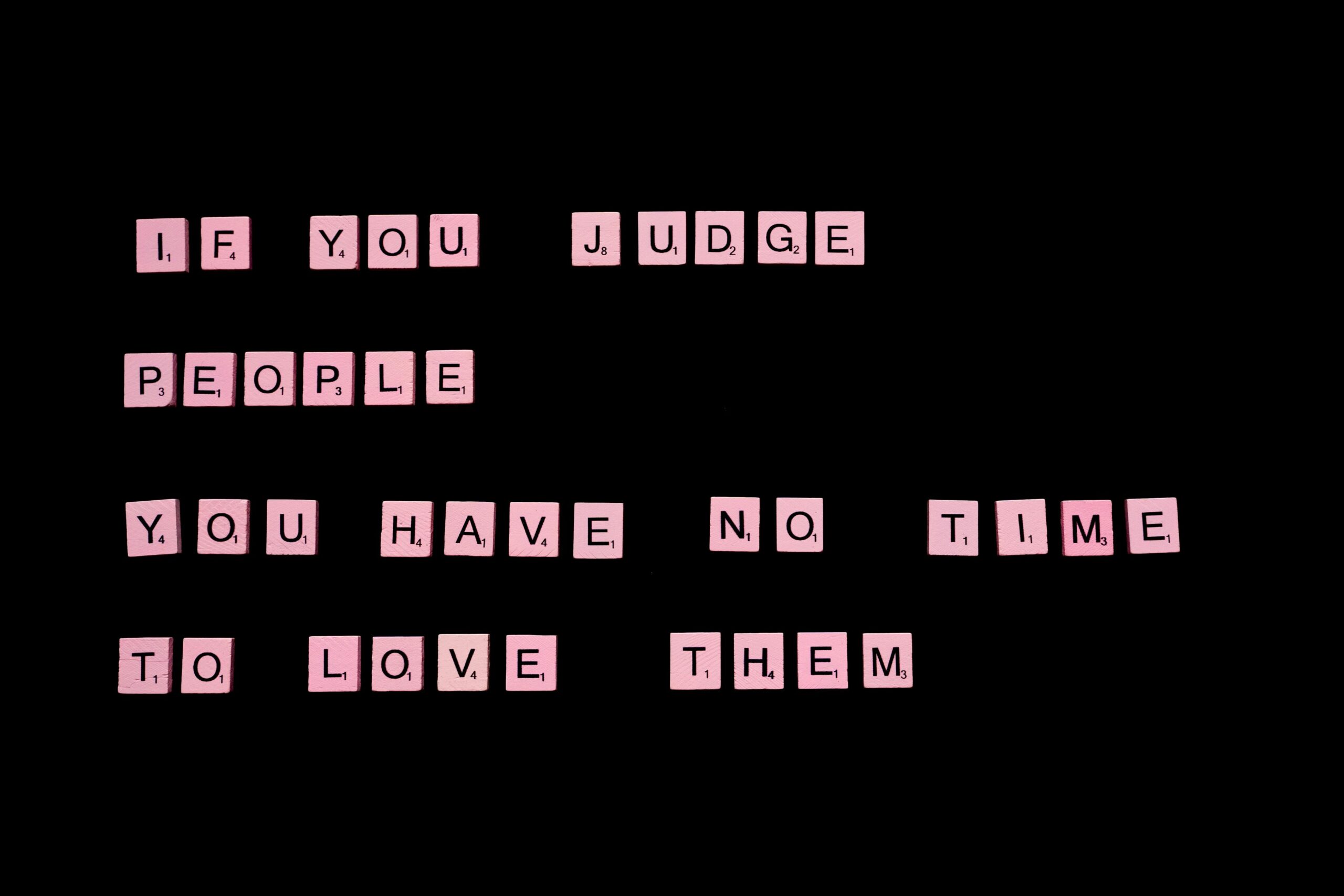
To prejudge is to pass a verdict before the trial has even begun — to look at a person, a situation, or an idea and decide its worth without understanding its depth. It is one of the easiest things to do, and one of the most dangerous. Because when we prejudge, we shut the door to discovery. We choose assumption over truth, and in doing so, we often lose the opportunity to grow.
Prejudgment is often dressed in certainty. It whispers, “I know what this is,” even when it knows nothing. It builds walls where bridges could stand. It labels people by their appearance, accent, background, or past, never stopping to ask who they really are now or who they are becoming. And in that rush to define, we often “misdefine”—not just others, but ourselves.
Learning not to prejudge is a discipline of humility. It means admitting that we don’t know everything at first glance — and that’s okay. It means trading quick conclusions for curious questions. It means looking again, listening deeper, and allowing space for people and things to reveal themselves in time.
When we hold back judgment, we allow for truth to surprise us. The quiet student may be a brilliant thinker. The strange idea may hold the seed of innovation. The person you least expect may become your greatest ally. But you’ll never know—not if you decide too soon.
So slow down. Step back. Learn not to prejudge. In a world too quick to label and divide, be someone who chooses to understand. Because often, what we think we see is only the beginning of what truly is.