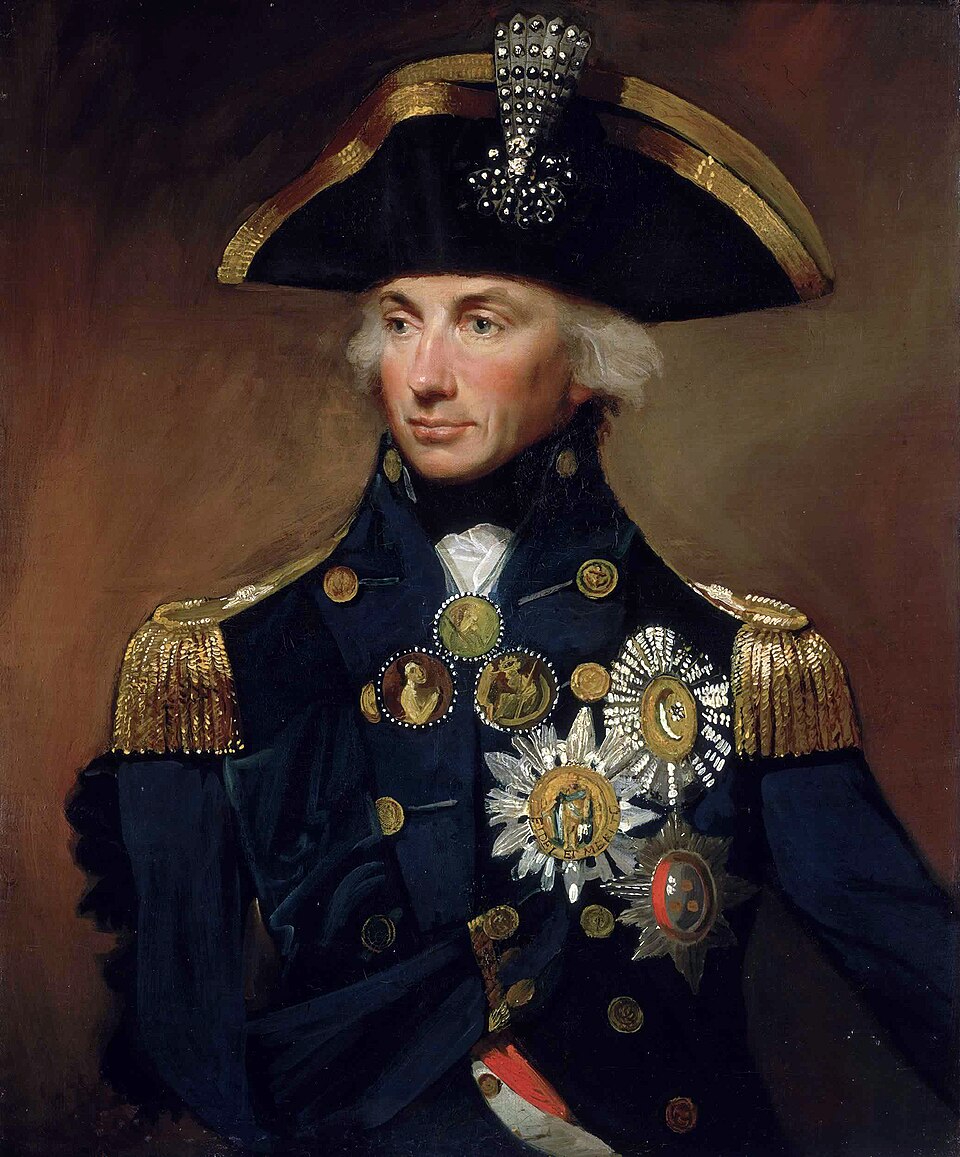
The phrase “turning a blind eye” traces its roots to one of history’s most daring and defiant naval commanders — Admiral Horatio Nelson. At the Battle of Copenhagen in 1801, when ordered to retreat, Nelson raised his telescope to the eye he had lost in battle and declared, “I really do not see the signal.” He went on to lead a successful assault, securing victory for Britain. That moment gave birth to a phrase — and a powerful metaphor.
Nelson’s blind eye was not mere rebellion. It was a calculated act of courage, a refusal to surrender to convention when his instincts and judgment demanded otherwise. It reminds us that sometimes, obeying every command or norm isn’t bravery — it’s compliance. And true leadership often requires turning a blind eye to fear, to doubt, to the loud signals of retreat when the quiet voice within says “advance.”
But Nelson’s blind eye also invites reflection on discernment. It teaches that not all orders deserve obedience, and not all risks should be avoided. There are times in life, leadership, and love when we must ignore the naysayers, silence the noise, and focus fiercely on what we believe is possible — even if others can’t yet see it.
Still, this legacy carries a warning: not every blind eye is noble. Turning a blind eye to injustice, to suffering, to truth — that is cowardice. But turning a blind eye to fear when courage is needed — that is heroism.
In the end, Nelson’s blind eye was less about what he couldn’t see, and more about what he chose not to see — so he could see victory more clearly.